Cured Salmon
 Recipes Cookery
Components
- 700 g of salmon fillet with the skin on (sliced near the tail)
- 1/2 cup of brown sugar (tea)
- 1/4 teaspoon of salt
- Half a pack of chopped dill
- 1 teaspoon of whole white peppercorns
- 1 tablespoon of cognac
Ready state
- Rinse, dry, and finely chop the dill. Using a mortar and pestle, crush the peppercorns into small fragments—you don't have to grind them into powder if you prefer to roughly chop them with a knife. In a bowl, combine the sugar, salt, crushed pepper, and half of the chopped dill. This mixture is used to cure the salmon. Set aside.
- Cover the board with a piece of film that is three times larger than the salmon fillet. Place the fish skin-side down at one end, and slowly drizzle cognac over the flesh using a spoon – this not only adds flavor but also aids in the curing process.
- Distribute the remaining chopped dill evenly over the fish, then press the curing mixture firmly onto it with your hands to secure it. Wrap the salmon tightly in plastic wrap, being careful not to spread the curing mixture. Place the fish skin-side up and, using the tip of a sharp knife, make shallow cuts across the skin to allow the salmon liquid to drain more easily.
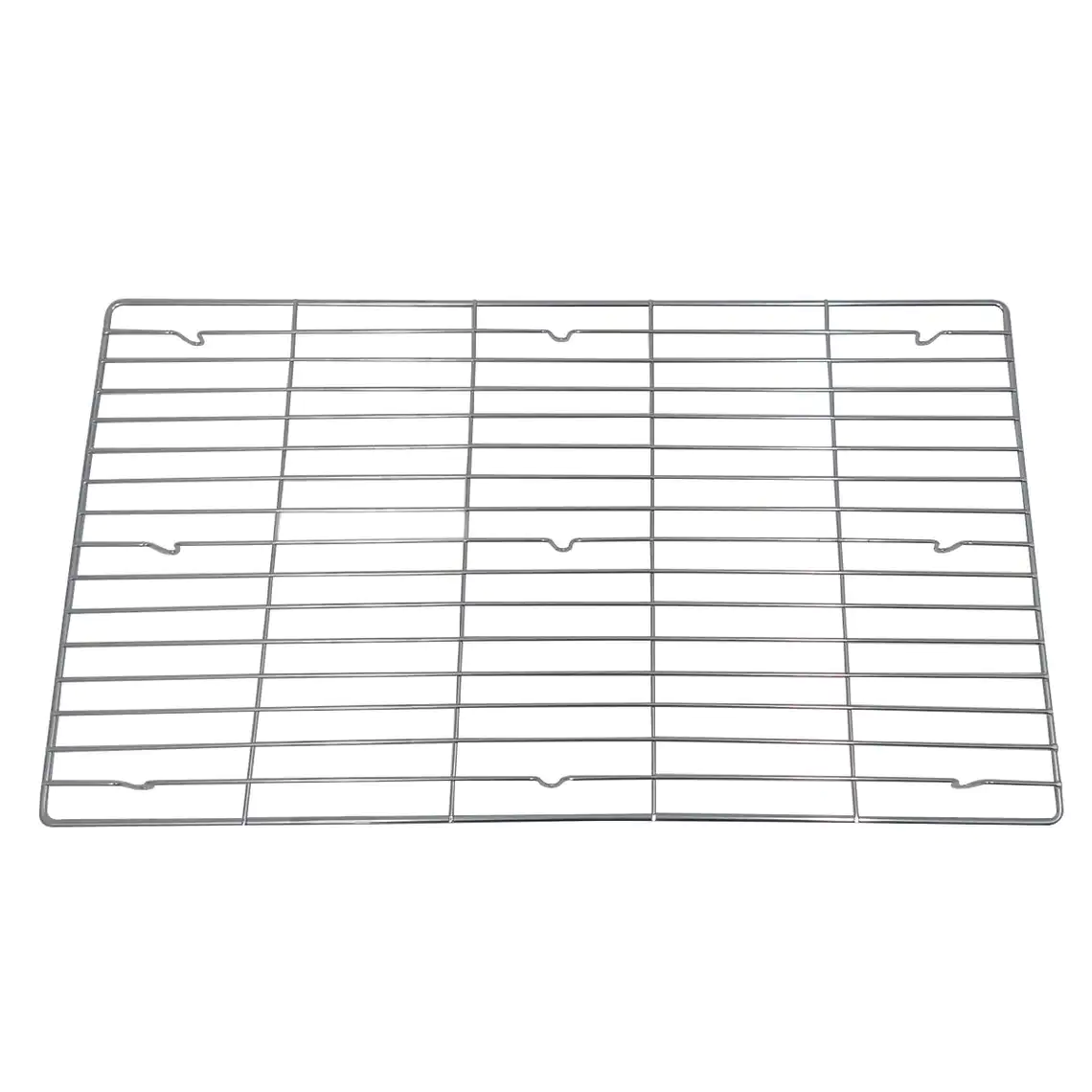
- Place the salmon skin-side down on a grill set over a baking sheet, ensuring the fish does not touch the drained liquid. To help press and accelerate the curing process, put a weight on top of the salmon, such as a 5 kg bag of rice or a brick wrapped in aluminum foil.
- Place the salmon in the refrigerator to cure for 48 hours – during this time, the fish releases liquid, the flesh becomes firmer, it absorbs the flavors of the cure, and develops a brighter color due to the brown sugar. Alternatively, instead of using a grill, you can line a baking pan with three layers of paper towels and replace them as often as necessary throughout the process.
- After 48 hours, separate the salmon and use the dull side of the knife to remove and discard any excess spice mixture. Place the salmon on the board with the skin side down and slice it: using a sharp knife, angle the blade nearly parallel to the fish to create thin, wide slices that showcase the skin. Serve immediately with mustard sauce.
Purchase only what is necessary
Store
Zwilling, Chief Knife

Rock Cushion

Recipiente de aço inoxidável, Hercules

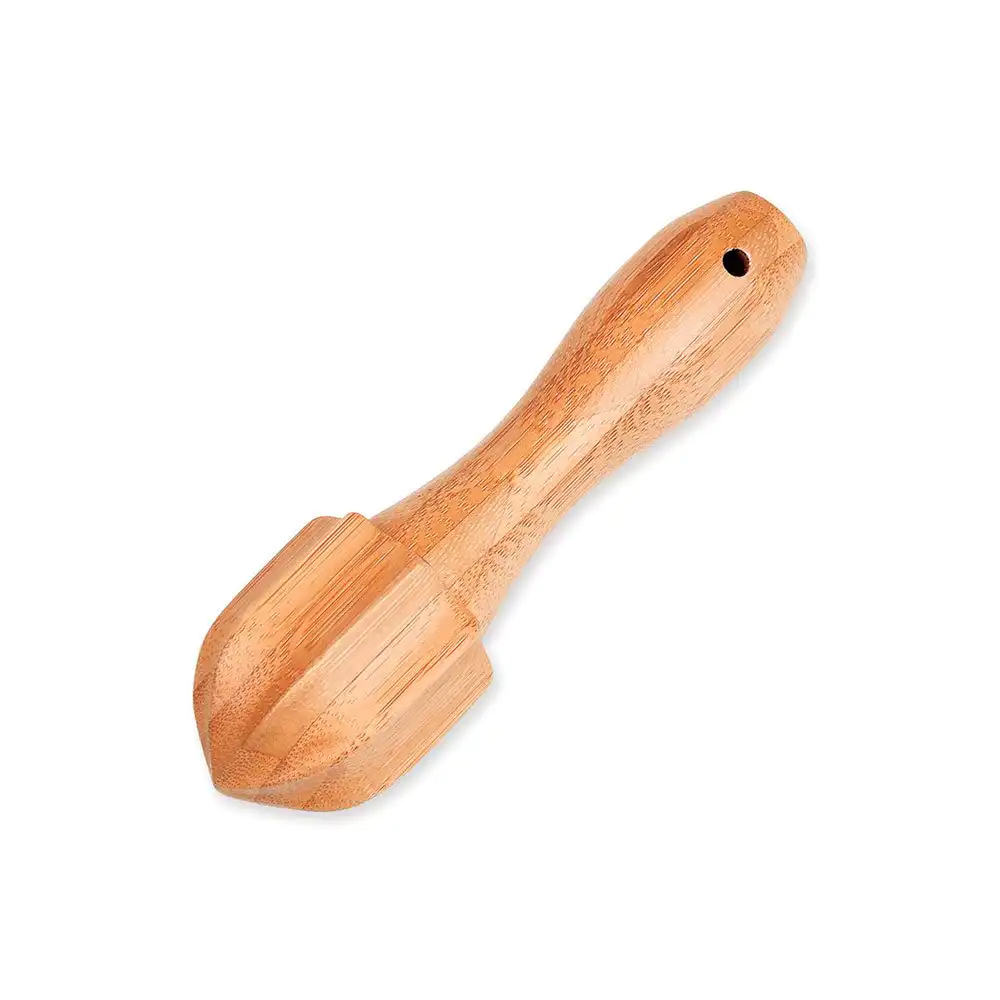
Bamboo stopper featuring a handle, Maxwell & Williams

Cooling Grid, Zanline
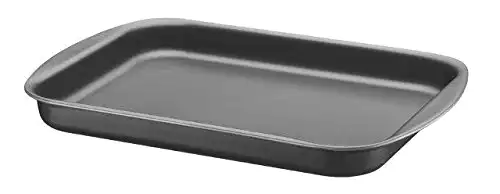
Tramontina Rare Roast Aluminum
PARA O MOLHO
Components
- 2 tablespoons of mustard from Dijon
- One tablespoon of honey
- juice of 1 lemon
- chopped dill to preference
Setup phase
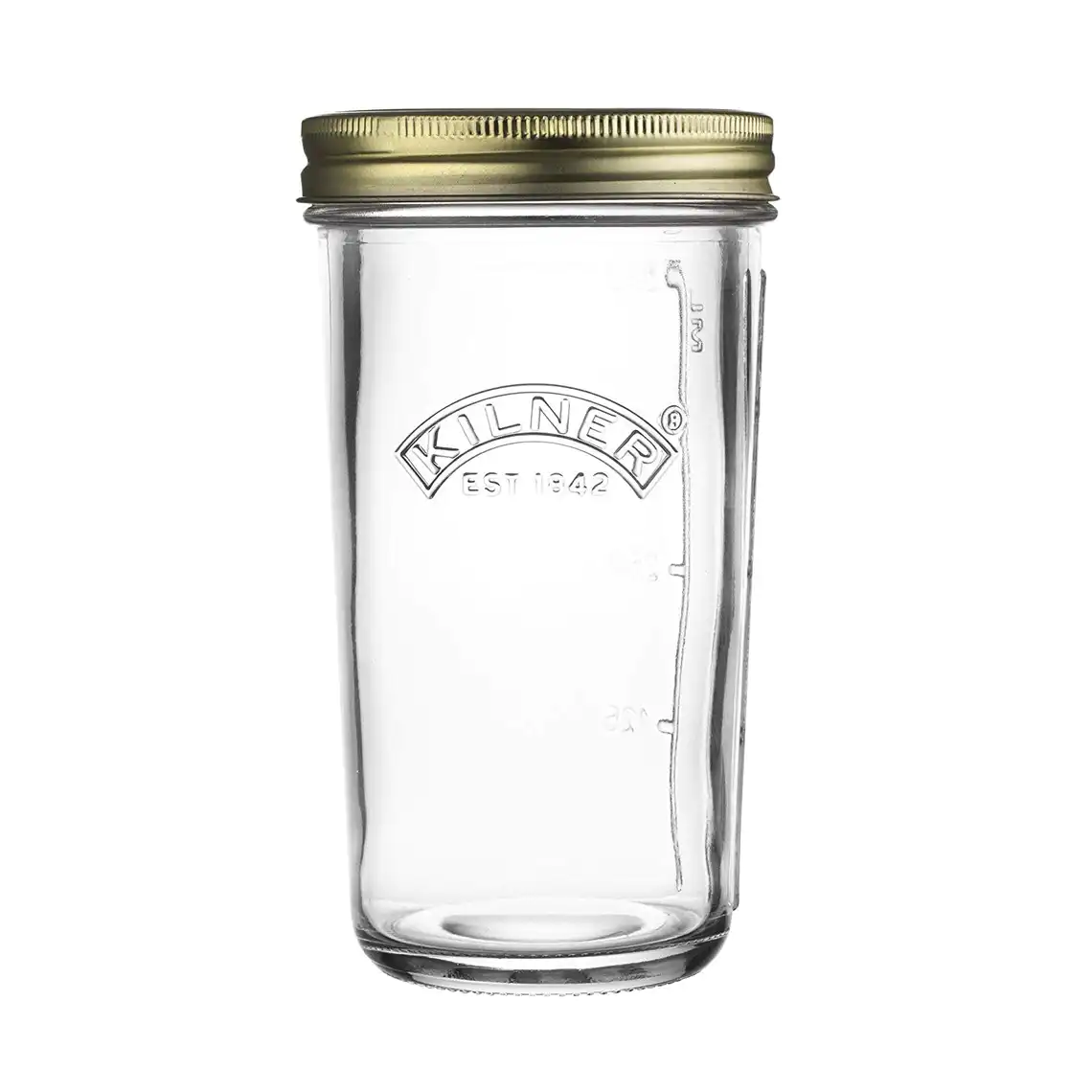
- Put all the ingredients into a glass pot with a lid, seal it, and shake thoroughly to combine.
PUNTO DE CONGELACIÓN
After 48 hours of curing, wipe off any extra spice and wrap the salmon with plastic wrap. The fillet can be kept in the freezer for up to 3 months – freezing makes it simpler to slice thinly. When ready to serve, take the salmon out of the freezer and let it sit at room temperature for 10 minutes before slicing.
Purchase only what is necessary.
Store
500 ml Kilner jar with a wide mouth
Measure gatherers

Multipurpose bamboo juicer